Behavioral & Implementation Science for change, adoption, and better decisions.
We help organizations understand why a new process, product, policy, or leadership practice is not changing what people do. Then we identify what to change first, and design and test it with you.
The new process adds an approval or handoff, so the old spreadsheet remains the quickest route through the day.
The cue, channel, and next step have to meet the user when the task occurs, not only during onboarding.
The organization says decisions sit with the team, but the approval route still points upward.
A policy reaches practice through forms, queues, handoffs, and the discretion available at the front line.
Choose a type of work
Client experience
Organizations we have worked with.





Sharpen the problem
Three questions help us get specific about the problem
What needs to happen?
We define who needs to do what, where, and when.
What makes that hard?
We observe the work, speak with the people doing it, and check the data.
What should change first?
Using that evidence, we identify which part of the work is keeping the current pattern in place.
Services
How we help
Some organizations need to understand the problem first. Others already have evidence and need help designing, testing, or implementing a response.
Behavioral diagnosis
Find out why the change is not happening
We investigate what people are expected to do, what happens in the setting, and which explanation the evidence supports.
The result is a clear behavior brief, evidence from the work, a map of what is getting in the way, and a decision about what to test.
See how diagnosis worksIntervention design and pilots
Design and test what should change
We turn the diagnosis into changes to a workflow, service, product, message, or manager routine, then test them on a small scale.
Design options and prototypes are organized into a pilot plan, with measures tied to what people need to do.
Design and test a responseImplementation support
Help the change work in day-to-day practice
We work with the team to fit the change into routines, responsibilities, leadership decisions, and measures.
Your team receives implementation support and repeated measurement while learning practical methods it can continue using.
Plan for implementationBehavioral design
Make a product or service easier to use
We investigate where users stop, hesitate, or work around a product or service, then design and test the part that needs attention.
This work produces evidence from the user journey, clear behavioral requirements, prototypes, and tests at the point of use.
Shape a product or serviceDesign and implementation
What needs to change depends on what is getting in the way.
Once we know what is getting in the way, we design a response that fits the workflow, available time, leadership support, and people affected, then test it under real conditions.
Can the response work inside the current route, tools, and responsibilities?
- Adapt the response without losing its purpose
- Change a step or handoff that blocks use
- Test the revised route with the people doing the work
Does the setting provide the time, people, access, and tools the response needs?
- Name the resource gap before launch
- Stage the work where capacity is available
- Remove a competing task or duplicate step
Are leaders involved in the trade-offs and visible decisions the change requires?
- Give a credible leader a specific implementation role
- Make the difficult trade-off visible
- Use regular decisions, not endorsement messages, as the signal
What happens when the new action competes with the work that already wins?
- Name the decision that sets priority
- Align measures with the intended action
- Agree how exceptions will be handled
Does the response address the needs of the people who use, receive, or deliver it?
- Check needs before finalizing the design
- Involve service users and frontline staff in adaptation
- Use feedback while the response can still change
Framework basis: CFIR and the ERIC compilation of implementation strategies. The strategy still has to be selected and tested against local evidence.
Selected work
Problems examined in context

Tourism · city destination
A route beyond the obvious visitor sites
A city wanted visitors to spend time around lesser-known cultural sites and support nearby businesses.
- Behavioral journey
- Strategy map
- Playbook

Innovation · city government
Intellectual property as a commercial tool
Businesses saw intellectual property mainly as a legal obligation. The city wanted a digital platform that could help people treat it as a commercial asset.
- Research plan
- Barrier analysis
- Workshop
- Prototype input

Cybersecurity · global health insurer
Secure email handling at the moment of risk
Employees were sending sensitive information to unauthorized or insecure email addresses.
- Mixed-method research
- Co-design
- Prototype
Organizational change · consumer goods company
Friction after an organizational restructure
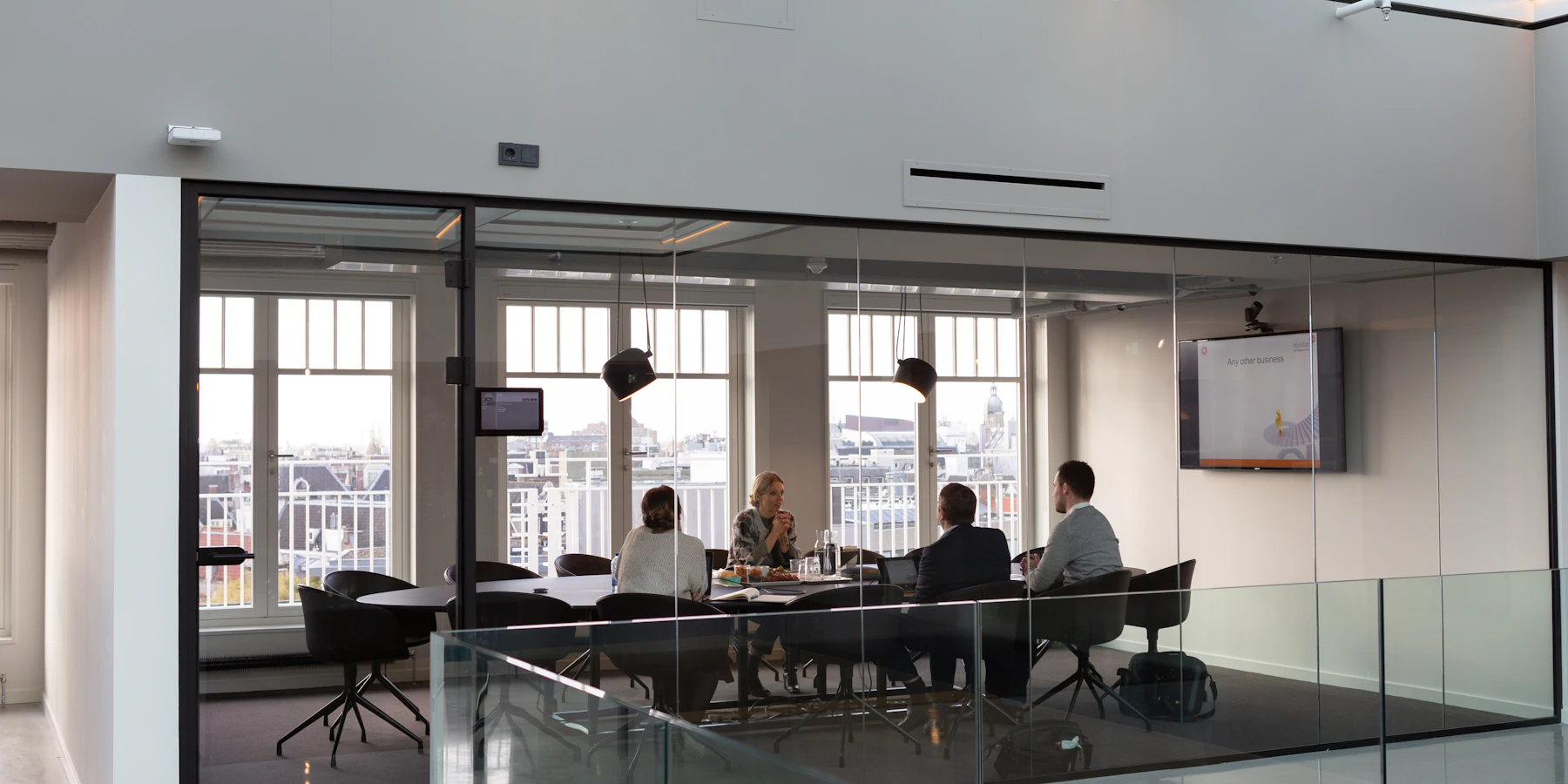
Feedback and meeting practices were getting in the way of productivity and wellbeing after an organizational restructure.
- Behavioral analysis
- Two pilots
- Evaluation
Learning
Build your capabilities with us

Interactive training built around current work
Interactive training is a facilitated engagement built around a live behavior-change brief. Self-paced courses are a separate route for individual study.
- Six in-person sessions around one current case
- Bring a live behavior-change brief
- Work with evidence and diagnosis
- Leave with a reviewed case and next step
Self-paced courses
Learn at your own pace
Self-paced course
From Change Plan to Behavior Change
The course works through stalled adoption and the conditions surrounding the work.
Explore the courseOnline course
Behavior Design
Behavioral design starts with a defined problem and ends with something that can be prototyped.
Explore the courseOnline course
Behavioral Analysis
Build a diagnosis from chosen frameworks and relevant data.
Explore the courseFree email course
5-Day Behavior-Ready Diagnostic
A guided five-day email course for finding why adoption is stalling and identifying the condition worth changing first.
Explore the courseTools
Tools for the decision you need to make
Choose the tool that matches the question in front of you. Each card tells you when to use it, what it helps you decide, and whether it is available now.
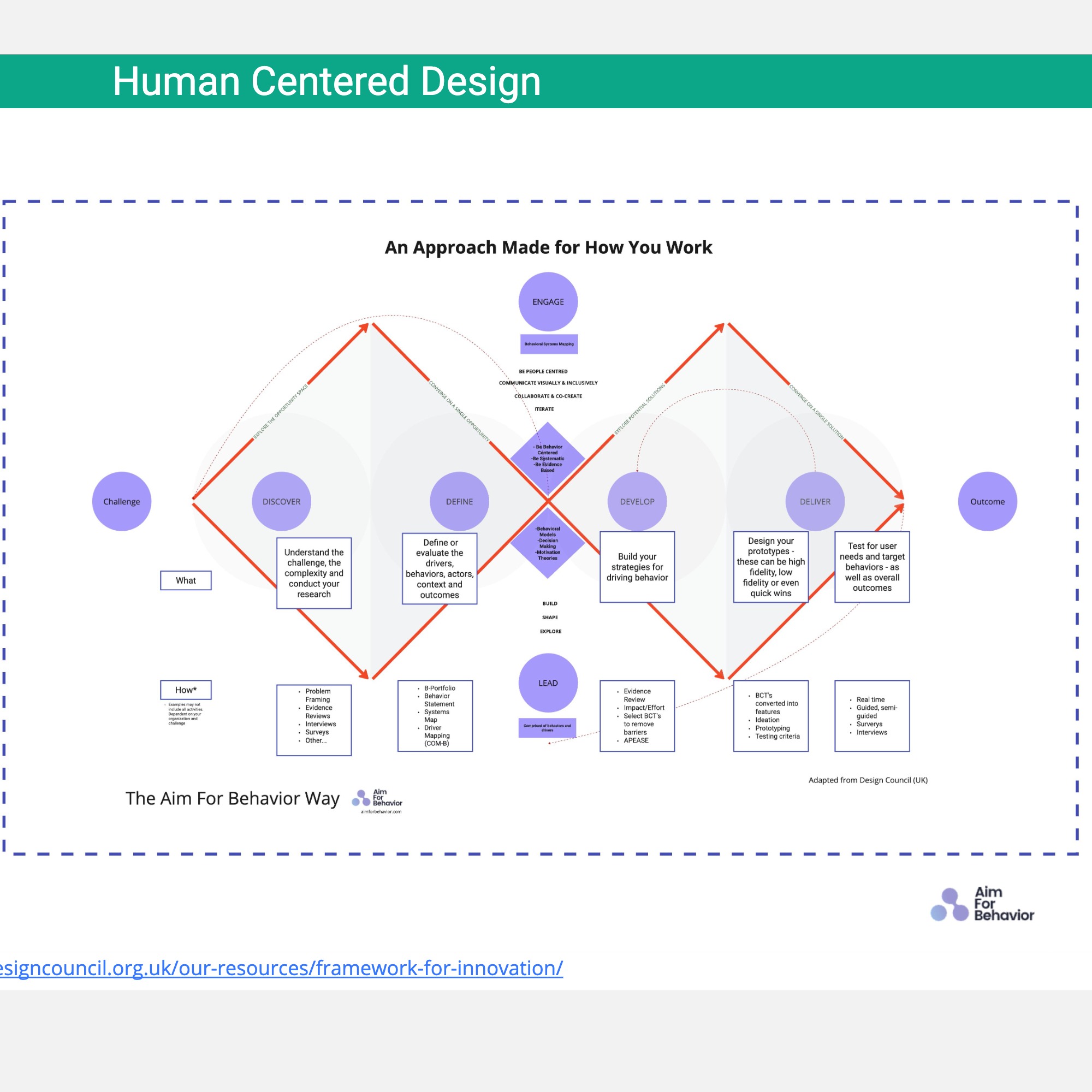 Available now · Interactive Miro toolBehavior Design Framework V2Use it when a team needs to turn a broad behavior problem into something it can investigate, design, and test. It helps you decide what to examine and prototype next.Open the tool
 AFB Labs · Closed beta testing
Tools that connect the evidence, the decision, and the work that follows.
The SHIFT platform is in closed beta testing. It helps companies investigate why a change is not happening, design and test what should change, and measure what happens after implementation.
Investigate
Bring the evidence together
Interview notes, observations, operating data, and research stay with the case so the team can compare explanations.
Design
Show why each design choice was made
The team can see what a response is meant to change and which evidence led to it.
Measure
Track what happens in day-to-day work
Roles, routines, adaptations, and behavioral measures stay connected as implementation continues.
Latest insights
Notes from the Library
Talk to us
Tell us what is happening in the work.
Tell us what was meant to happen, what people are doing instead, and what you have already tried.
Tell us about the problem