Don't waste your time and resources on people
Don't waste your time and resources on people who are not motivated to change...

Don't waste your time and resources on people who are not motivated to change...
It doesn't mean you should ignore them, it just means you should not start with them first, otherwise your change or transformation is going to be very difficult.
These 8 lessons should help you increase your success:
1.
The Importance of Motivation Quality
Effective change is best when we know the quality of motivation, yet it's an aspect that's frequently overlooked.
2.
Spotting the Right People
For successful change, identify those who are more intrinsically motivated to change - remember we want to help people who want to change, not force or trick people who don't.
3.
Finding your champions with a Motivation Continuum
This tool helps assess where people lie on the motivation scale (as in the image)- I have also seen this explained with the diffusion of innovations theory.
4. Common Mistake - Misjudging Motivation: Teams often assume employees or customers are highly motivated for change, however in reality many may lean towards the less intrinsic motivated side, explaining why desired results aren't always achieved, this of course can be due to many different factors, such as lack of awareness of benefits, beliefs, etc..
5.
Understanding and designing to meet Psychological Needs
Address the commonly found frustrations around autonomy, competence, and relatedness - and then design to meet those (if in a product or in an office, this can be achieved)
6.
Tap into Open Mindsets
Individuals in the intrinsically motivated group often have an open mindset and are receptive to new ideas - these can be beta users or employees who always want to try new things (this is how I ended up building an innovation lab in government)
7.
The Domino Effect
Once the intrinsically motivated group shows results, they can influence the next group, the identified supporters. (I've not only gone through this myself, but I have seen teams do so as well.) - you give proof of benefits and others will want to support you because it will serve their own goals.
8.
Wait to target the Extrinsic Group
After the first two groups are on board, aim for those motivated extrinsically. They'll adapt when new behaviors become the norm. You may need to engage the introjected group first to eventually influence the extrinsic group.
If your organization wants to work on culture transformation, do reach out, we help bring a systematic and evidence based approach to this very important area.
Don't waste your time and resources on people who are not motivated to change...




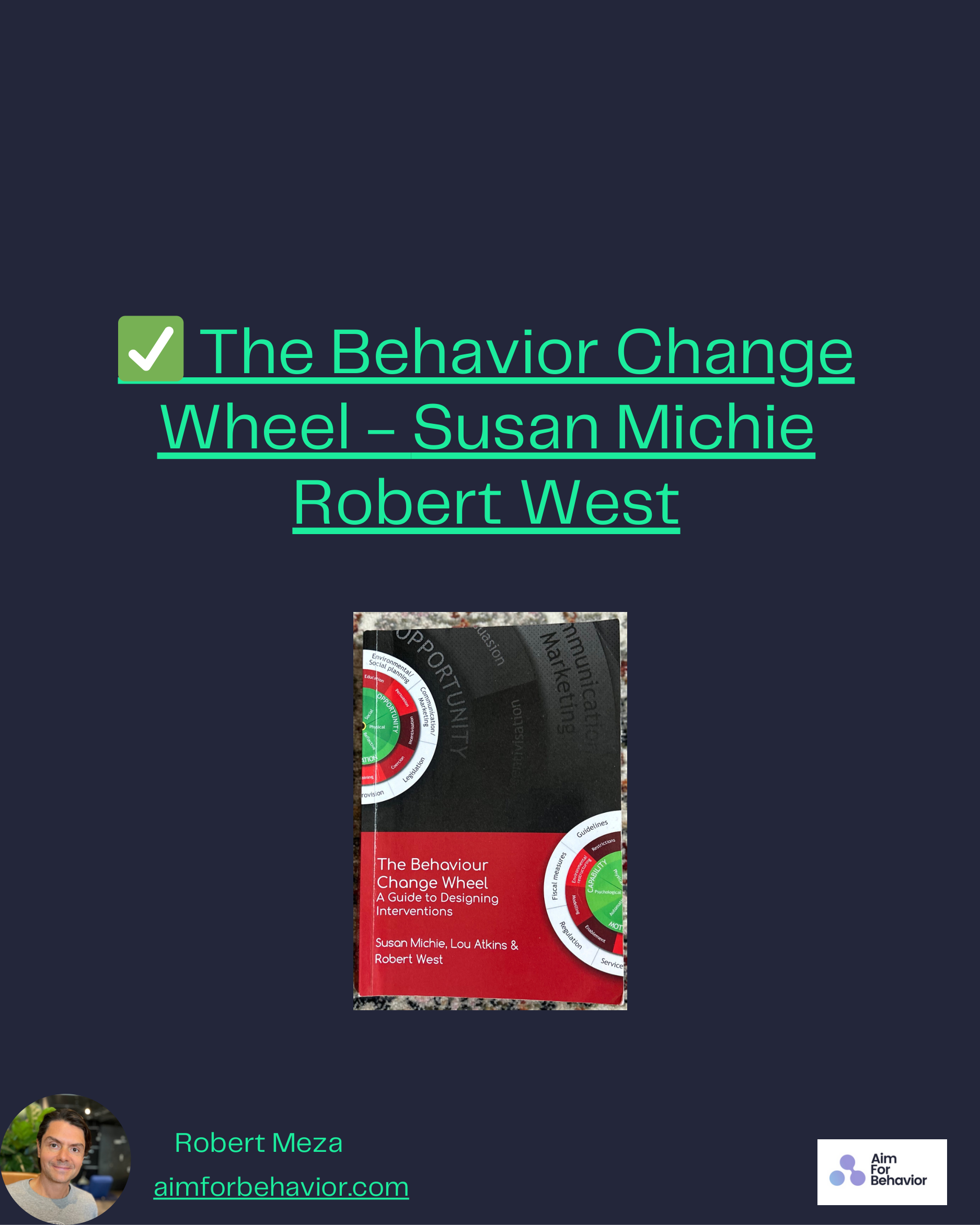







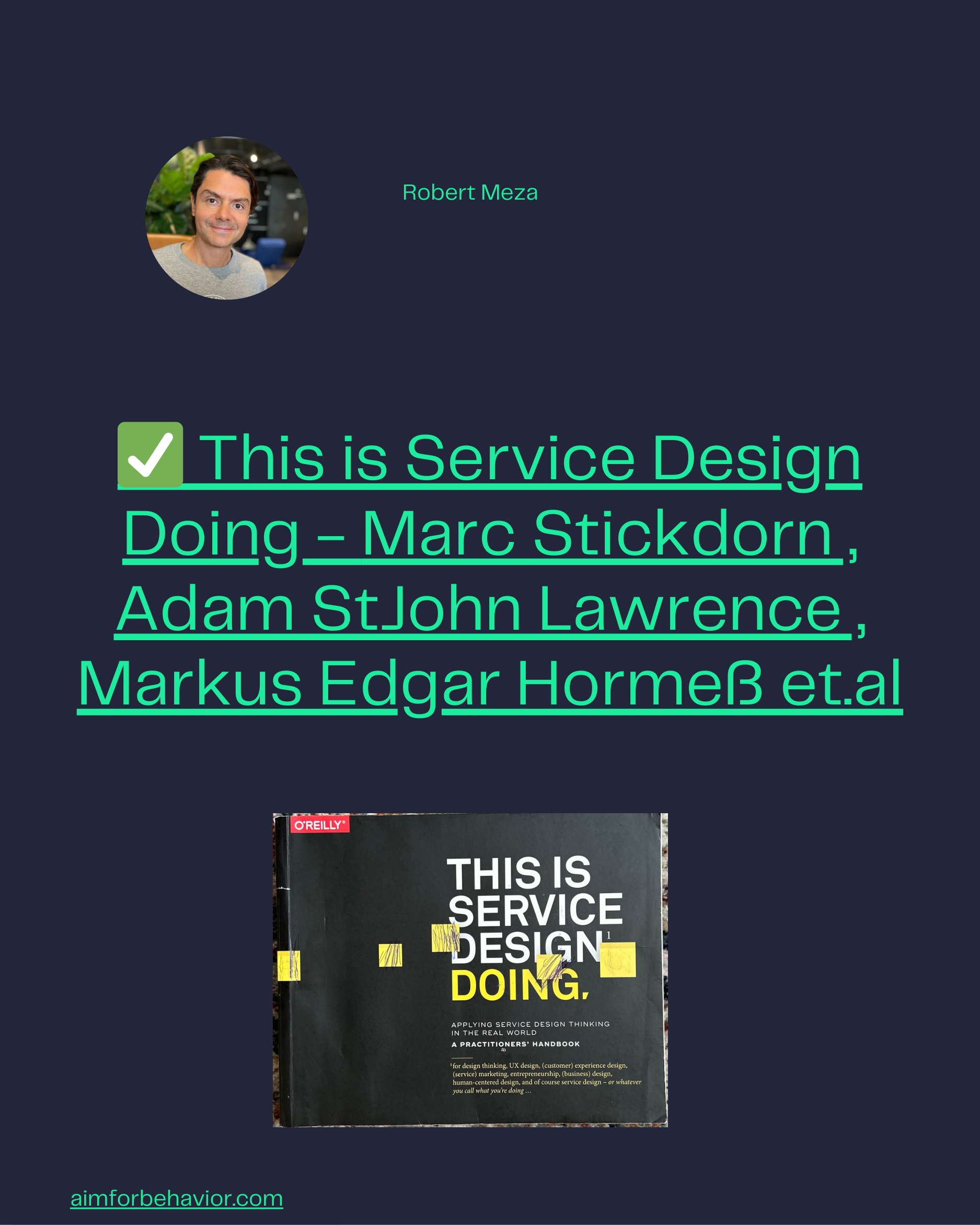





Sources named in this post
- Susan Michie at UCL, COM-B (2011)
- SHIFT Barrier Codes..Aim For Behavior
- Jill Cane and colleagues, Theoretical Domains Framework (TDF) (2012)
- Johnston, Carey, Connell and colleagues, Mechanisms of Action taxonomy (2019-2021)
- Powell, Waltz and colleagues, ERIC (Expert Recommendations for Implementing Change) (2015)