Your AI projects will fail for the same
Your AI projects will fail for the same reason your transformation did...
Your AI projects will fail for the same reason your transformation did...
The reality is that your AI initiatives won't be saved by prompt guides any more than your digital transformation was saved by change management playbooks.
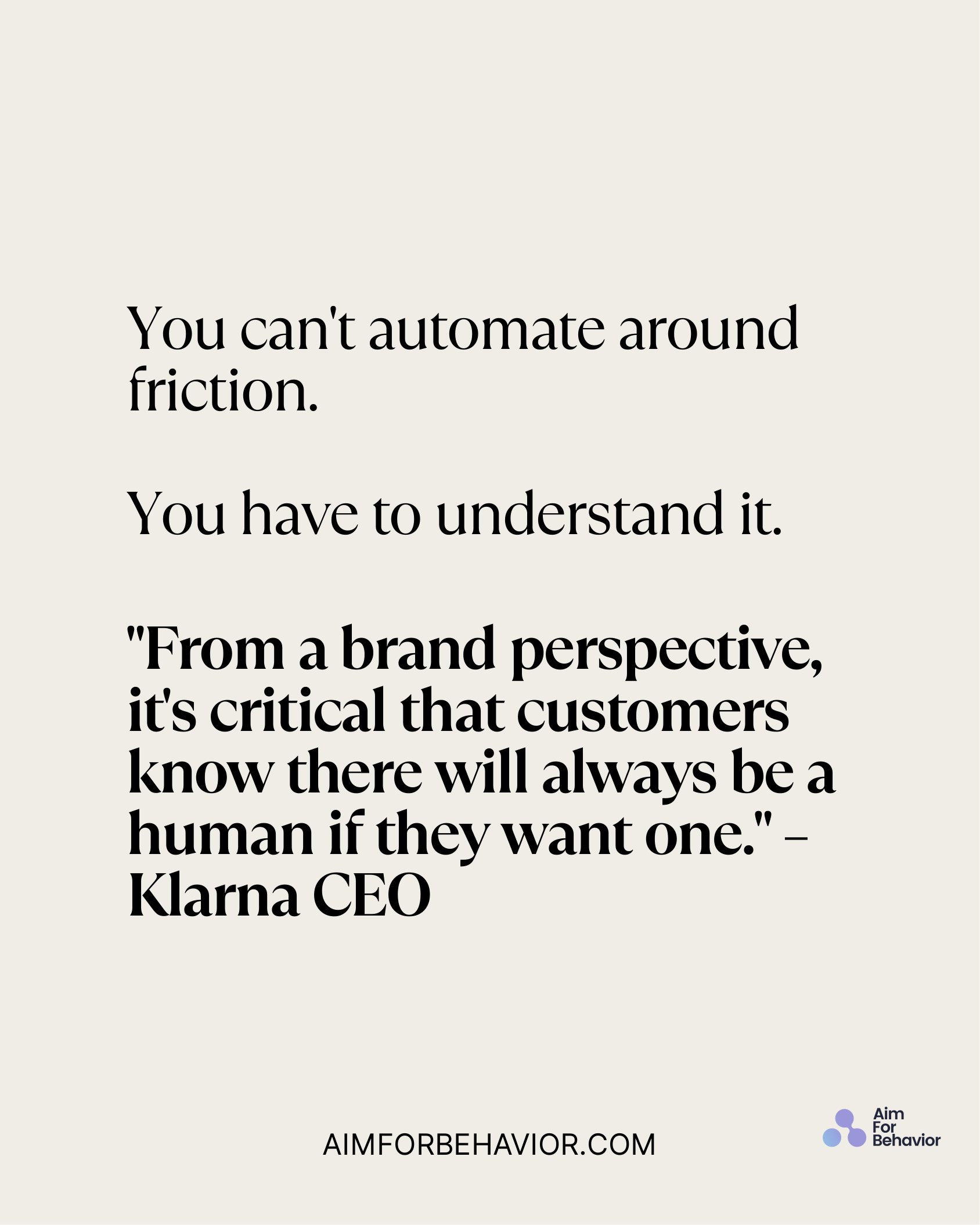
In both cases, you're obsessing over tools and frameworks while ignoring the systems that actually shape behavior.
Oguz Acar's HBR article "AI Prompt Engineering Isn't the Future" captures this perfectly. Transformative AI outcomes don't come from better prompts, they come from better problem formulation.
This mirrors what I've seen across failed projects over the years.
Before AI dominated the narrative, organizations already implemented platforms nobody used and created governance nobody followed.
Each initiative addressed symptoms while missing the system friction that shaped behavior.
Here are some examples:
1)
A product team struggles with platform adoption... they request AI-generated "engagement strategies" while ignoring that their workflow forces users through multiple systems with conflicting interfaces.. they are blind to see that the friction is baked into the architecture.
2) A healthcare organization implements AI documentation tools that clinical staff immediately work around. The tools interrupt patient care at critical moments, creating both practical disruption and psychological burden when presence matters most.
Acar outlines four capabilities most orgs skip entirely with AI:
1. Problem Diagnosis - Identifying the core problem that AI needs to solve.
2. Problem Decomposition - Breaking complex problems into smaller, more manageable sub-problems.
3. Problem Reframing - Altering the perspective from which a problem is viewed to encourage a broader scope of potential solutions.
4. Problem Constraint Design - Defining the problem's boundaries, allowing the AI to focus on generating solutions within a specified context, while also inviting creative possibilities by varying the constraints.
These aren't theoretical concepts, they determine whether AI amplifies your strategy or accelerates your dysfunction.
For leaders navigating the AI transformation landscape:
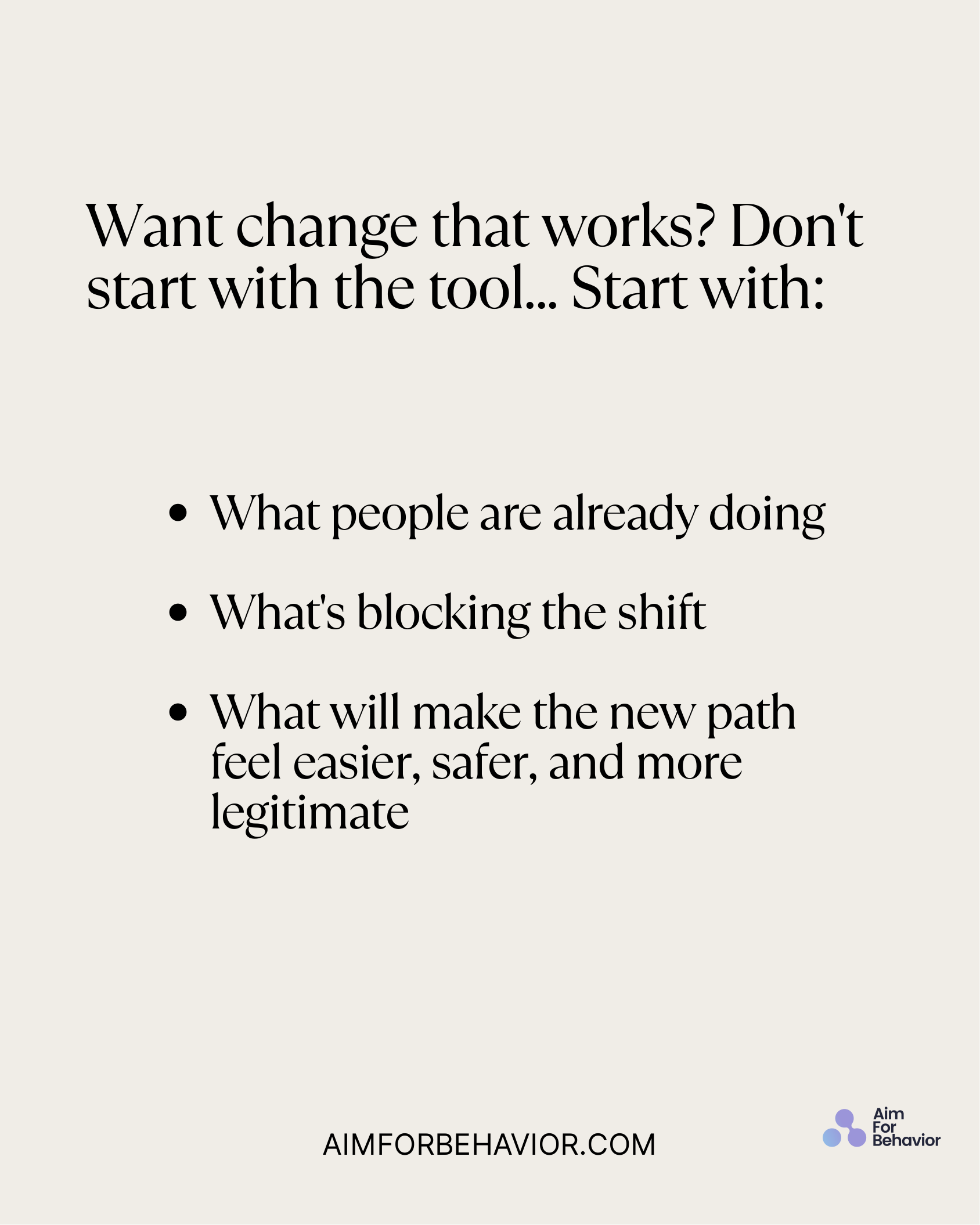
a)When adoption lags, examine the behavioral architecture before blaming communication.
b)Map where your formal requirements conflict with the informal influences that actually drive behavior.
c)Make friction diagnosis an explicit phase before solution implementation. d)Identify where your organizational systems work against your strategic intent.
e)Focus AI investments on friction points where current systems create barriers to strategic behavior, not on automating processes that already work smoothly.
The organizations that capture AI's value won't have the perfect prompts. They'll be those who identify the right problems, and design systems where the right behaviors naturally emerge.
What part of your AI implementation might benefit from examining the behavioral friction in your systems?
The reality is that your AI initiatives won't be saved by prompt guides any more than your digital transformation was saved by change management playbooks.

Sources named in this post
- SHIFT Barrier Codes..Aim For Behavior
- Susan Michie at UCL, BCTTv1 (Behaviour Change Technique Taxonomy v1) (2013)