
- Home
- Insights
- Behavioral science fundamentals
- 5 SIMPLE PRINCIPLES FOR ENABLING BEHAVIOR CHANGE
5 SIMPLE PRINCIPLES FOR ENABLING BEHAVIOR CHANGE

Robert Meza





5 SIMPLE PRINCIPLES FOR ENABLING BEHAVIOR CHANGE
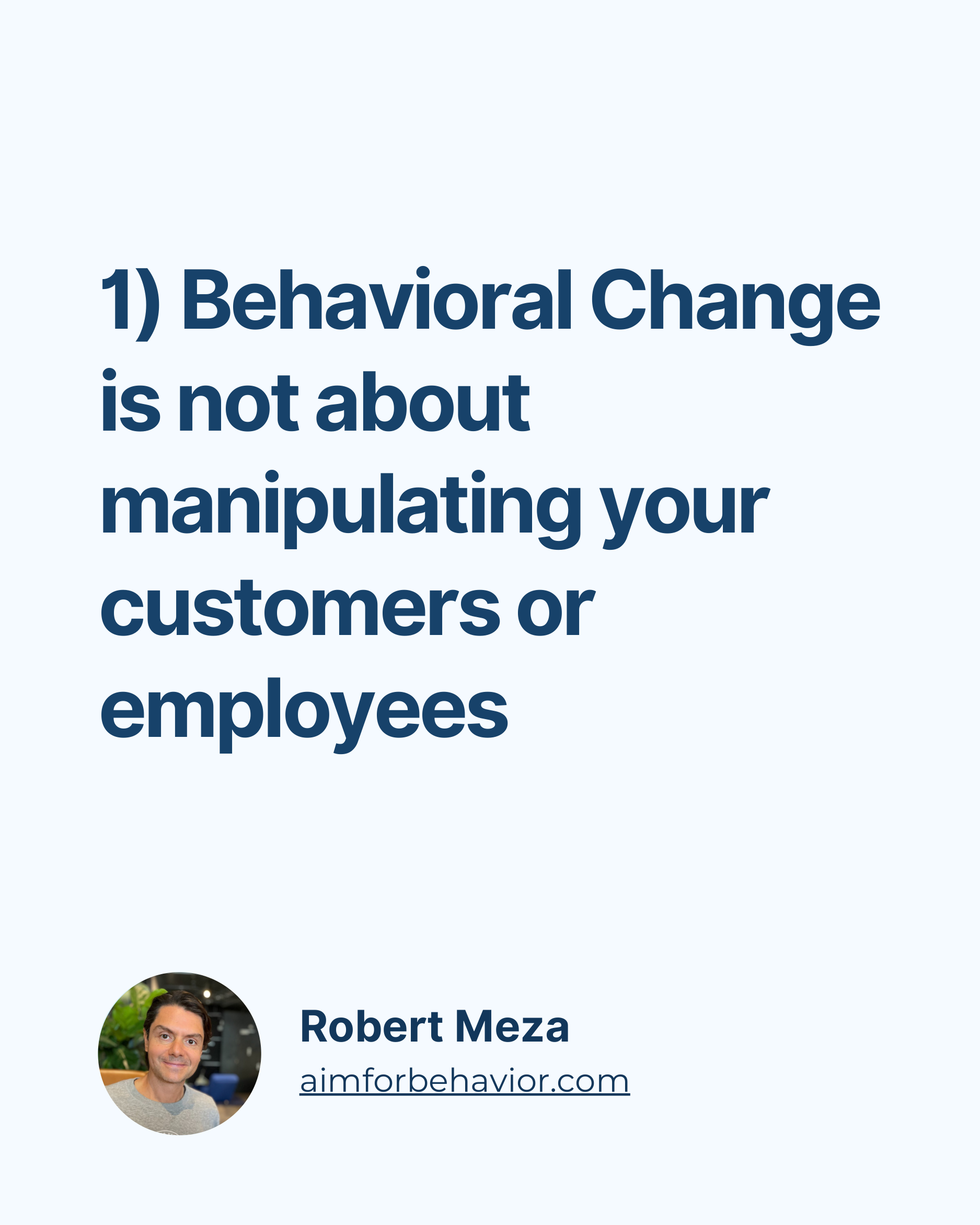
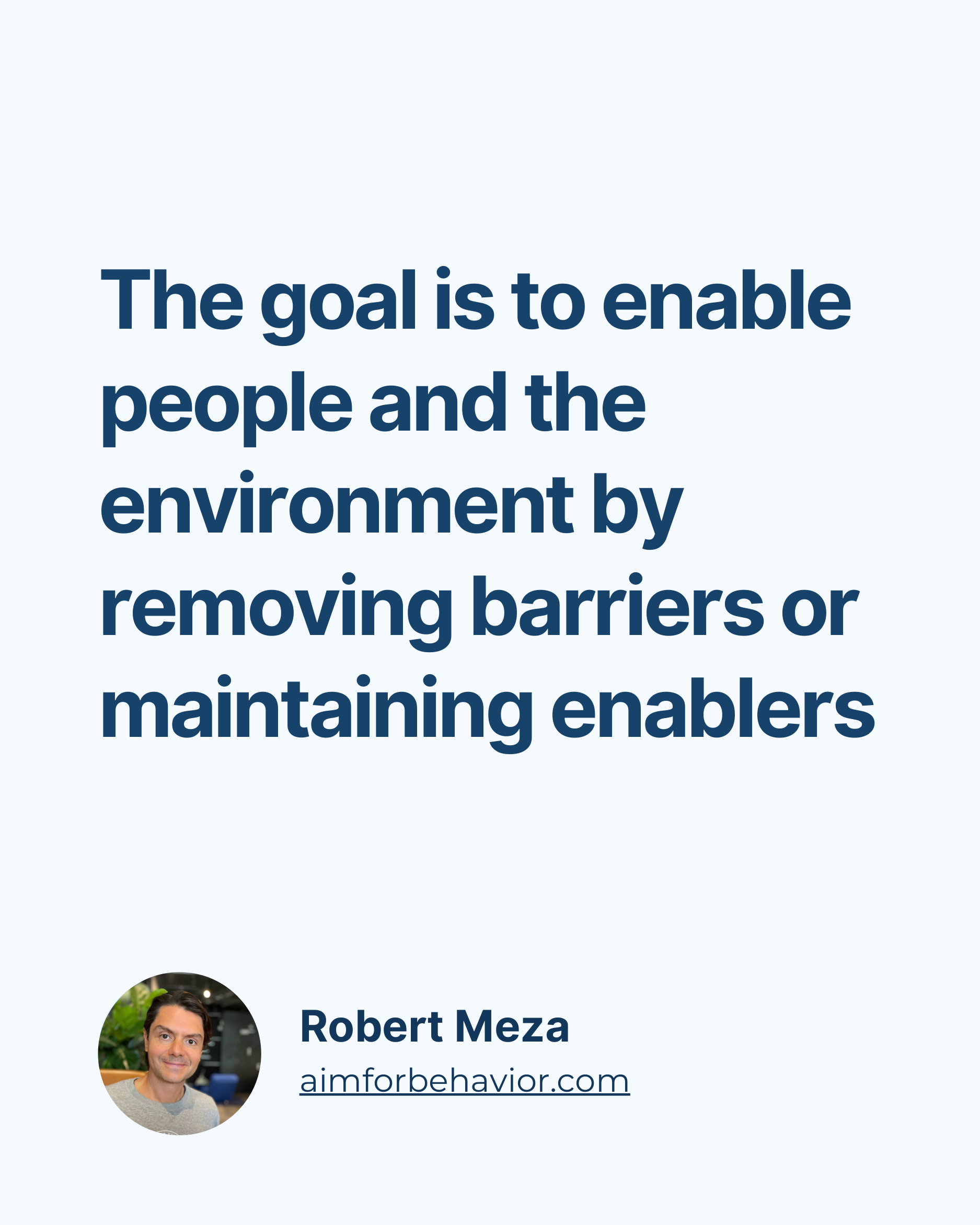
- Behavior Change is not about manipulating your customers or employees: Long-term behavior change happens when we are intrinsically motivated to change and we know we need some help in achieving the change, not manipulation.
2. Go Beyond Cognitive Biases
You need to understand that we are more complex than a list of biases on a codex.
3. Your customers and employees are not irrational
They are contextual and that may cause them to act as if we were irrational, but that has more to do with the environment and situations than us actually being by default “irrational”
4. Not everything is meant to become a habit
What most of us think are habits are most likely routines. Focus on building good routines instead.
- Learn to apply Behavioral Science
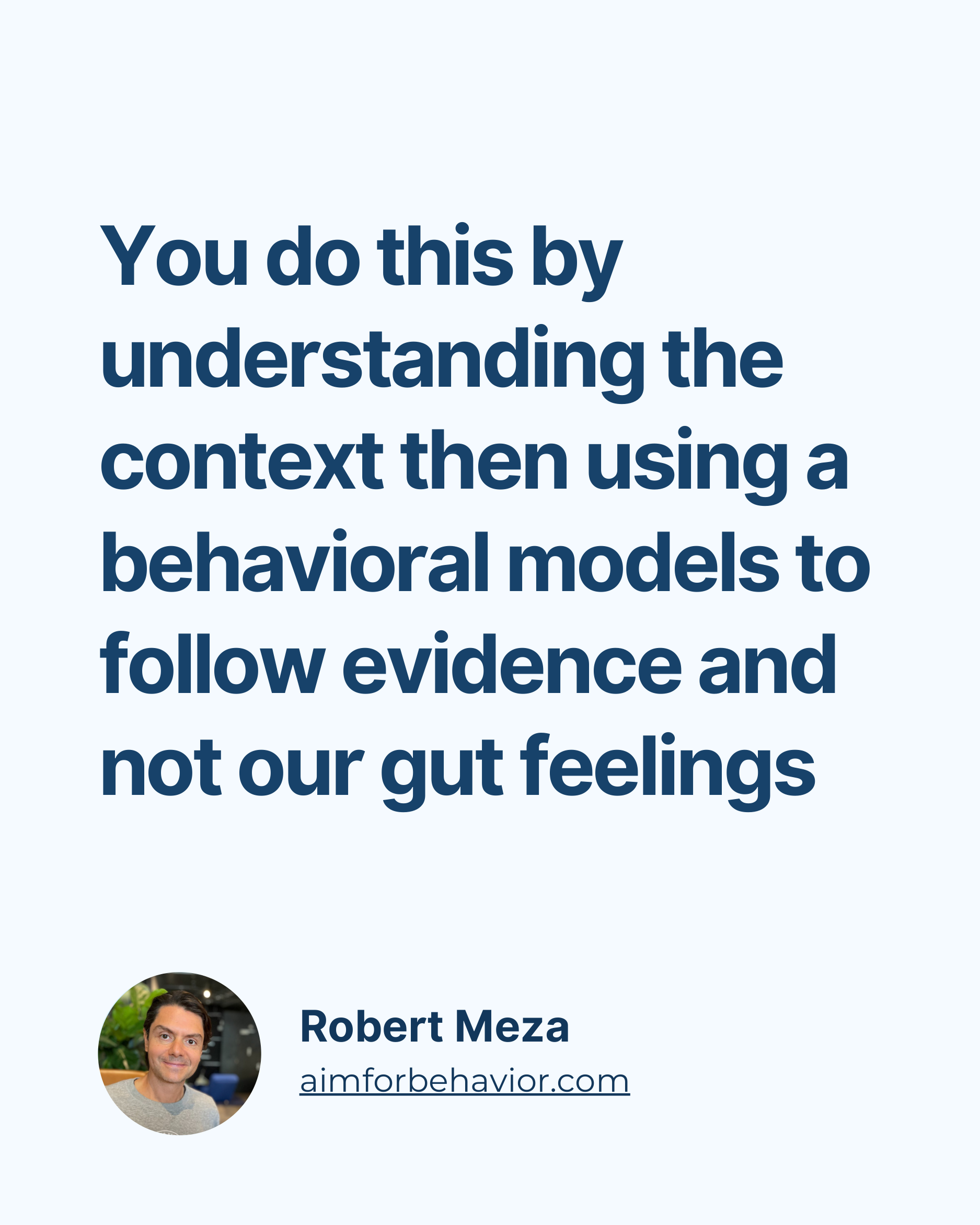
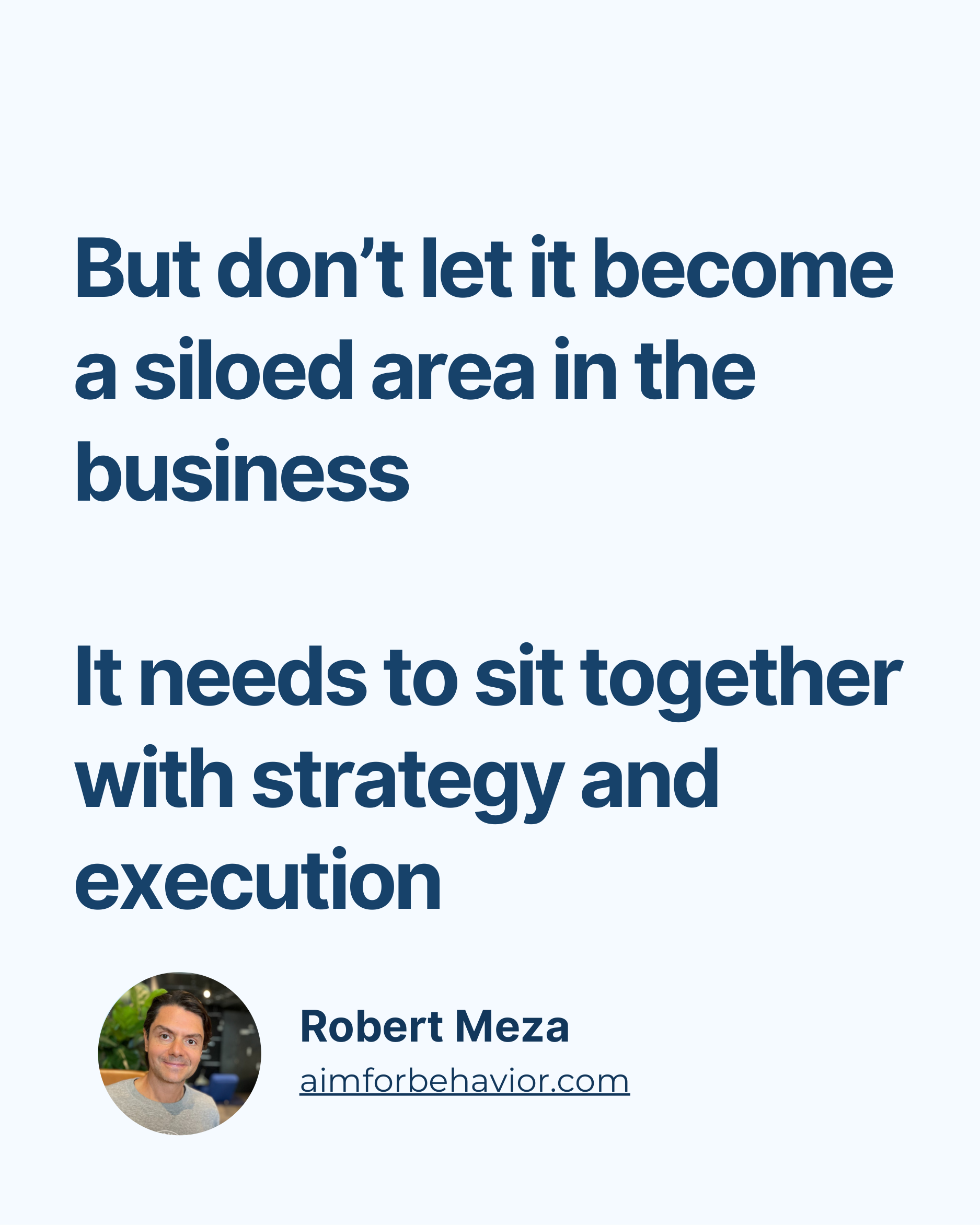
Biggest missed opportunity here is keeping it siloed and not allowing it to be part of both strategy and execution. Learn the models, frameworks and work evidence based, and call it whatever you want so long as you are working from this baseline.
What principles are you following for behavior to change?
Keep reading
All posts on behavioral science fundamentalsWhy change doesn't stickPost
Organizational habits are not the starting point, they
Behavior design in practicePost
Here are 8 ways behavior change can actually
Why change doesn't stickPost
If people aren't adopting or engaging
Behavioral science fundamentalsPost